Functional Integration and User Scope
The Smart Toilet Shaft Oil Seal is engineered specifically for smart toilet manufacturers and system integrators requiring precision sealing solutions that prevent leakage and contamination at shaft interfaces. This product supports OEMs, maintenance teams, and component suppliers by providing a sealing component compatible with a broad range of smart toilet models. It protects sensitive electronic and mechanical parts such as lid actuators and sensors, ensuring uninterrupted automated performance. As a product from a leading high quality seals manufacturer with expertise in rubber components, it delivers crucial reliability within automated sanitation environments. Incorporating NBR seals tailored to resist bathroom humidity, this sealing solution is integral for manufacturers focused on robust product longevity and operational dependability.
Technical Composition and Quantifiable Performance
This shaft oil seal features high-grade nitrile rubber (NBR seals) or optional fluororubber for enhanced temperature and chemical resistance, formulated for durable wear and minimal degradation. Precision machining ensures an exact shaft fit to maintain a leak-proof barrier in complex smart toilet assemblies. The seal withstands typical bathroom temperature fluctuations and humidity, with a service life ranging from 5 to 8 years under standard use conditions. Produced by a China seals manufacturer with ISO 9001 and IATF16949 certification, the product meets rigorous dimensional and material standards. Its design is optimized to reduce friction and mechanical wear on shafts, contributing to lower maintenance cycles, while precise elasticity and compression metrics support stable sealing performance across diverse operational pressures.
Industry Applications and Operational Impact
This oil seal is employed extensively in automated residential and commercial smart toilets, forming a critical component of shaft sealing systems that prevent water ingress and contamination. Its compatibility with multiple toilet architectures facilitates integration into manufacturing lines and supports aftermarket replacements, enhancing serviceability for maintenance teams. The product improves system efficiency by reducing leakage-related downtime and protecting sensor circuits from moisture-induced failures. Moreover, it helps manufacturers comply with water-saving and hygiene regulations by ensuring tight seals that maintain consistent valve and actuator functionality. Widely utilized in smart toilet OEM production and repair workflows, this seal exemplifies the reliability expected from a China seals manufacturer specializing in tailored sealing solutions.
1.Motors and transmission componentsThe drive motors and gearboxes for automatic lid/seat lifting require lubricating oil for lubrication. Oil seals are installed at the junction of the motor shaft and the housing to prevent lubricating oil from leaking outward (which could contaminate internal circuits or parts) and to block external moisture and dust from entering, avoiding mechanical wear or short circuits.
2.Drain valves/water pump components
Some smart toilets' pressurized flushing systems include small water pumps. Oil seals are needed at the pump's rotating shaft to prevent water from seeping into the motor and to block contact between water inside the pump and external components.
3.Guaranteeing core functions
Failure of an oil seal can lead to: loss of lubricating oil → increased wear of mechanical parts and louder noise; infiltration of external moisture/sewage → motor short circuits, circuit failures, and even issues with smart functions (e.g., sensor malfunctions, lid jamming).
Due to their special working environment (potential exposure to moisture, temperature changes, and compatibility with lubricating oil), the material of the oil seal must meet the following:
-
Water and oil resistance: Usually made of nitrile rubber (NBR) or fluororubber (FKM). Nitrile rubber is cost-effective, with good oil resistance and performance against general moisture, making it suitable for most scenarios. Fluororubber, with stronger resistance to high/low temperatures and chemicals, is used in high-end models or harsher environments.
-
Elasticity and wear resistance: It must maintain a tight fit with the shaft over the long term and not easily harden due to friction, ensuring long-term sealing performance (typically lasting 5-8 years, matching the lifespan of the toilet's core components).
-
Dimensional precision: The internal space of a smart toilet is compact, so the oil seal's dimensions (inner diameter, outer diameter, thickness) must precisely match the motor shaft and housing. Otherwise, looseness may cause sealing failure.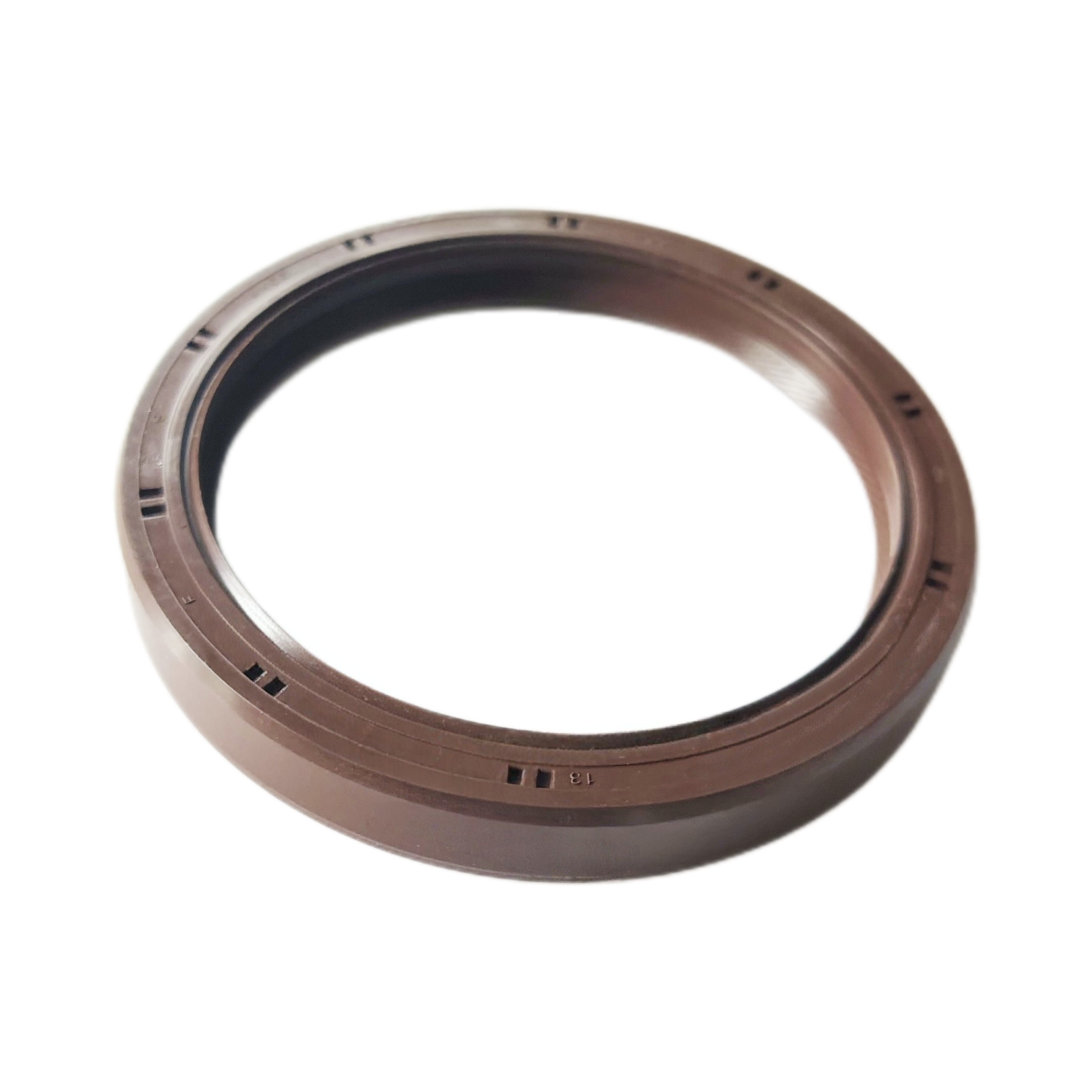
Product Advantages
Structural and Design Excellence in Seal Engineering
The Smart Toilet Shaft Oil Seal incorporates a robust design emphasizing tight sealing interfaces with advanced elastomer formulations such as NBR seals. Its geometry is engineered to accommodate slight shaft misalignments and rotational movements common in toilet mechanisms, thus preventing fluid leaks even under dynamic conditions. Produced by a reputed high quality seals manufacturer, the seal benefits from precise dimensional tolerances and materials optimized for chemical resistance and elasticity. Its modular compatibility with various smart toilet shaft sizes allows seamless installation and system-level integration, reducing complexity for production engineers and ensuring consistent performance in diverse models. The design also supports straightforward replacement procedures, minimizing system downtime and aligning with lean maintenance practices.
Performance Durability and Operational Efficiency
Functionally, the seal advances system longevity by providing wear resistance against abrasive shaft surfaces and chemical exposures typically found in bathroom environments. The use of specialized NBR seals enhances resilience to oils and cleaning agents, increasing seal life and reliability during prolonged use. This results in reduced maintenance frequency and overall operational costs for facility managers and OEMs. The seal’s ease of installation and strong retention improve maintenance workflows, enabling technicians to execute replacements rapidly and confidently. Furthermore, the product supports energy and water conservation efforts by ensuring leak-tight operation that prevents waste. Overall, it delivers measurable return on investment through enhanced system uptime and reduced consumable expenditure.
FAQ
What materials are used in the Smart Toilet Shaft Oil Seal?
We manufacture the Smart Toilet Shaft Oil Seal using nitrile rubber (NBR seals) for cost-effective durability and fluororubber (FKM) for superior temperature and chemical resistance. These materials ensure reliable sealing performance suited to various smart toilet environments.
Can you provide custom sizes or designs for specific smart toilet models?
Yes, we offer customization capabilities supported by our advanced R&D and precision machining. Our facility can tailor the high quality seals manufacturer products, including oil seals, to meet specific shaft dimensions and compliance requirements.
How do I properly install the Smart Toilet Shaft Oil Seal?
Installing the seal is straightforward; remove the worn seal and press the new one firmly in place around the shaft to create a leak-proof fit. We design our seals for easy replacement to minimize downtime and maintain optimal operation.
What logistics and delivery options do you offer for bulk orders of oil seals?
We produce over 80 million seals annually and support large-scale shipments worldwide. Our systematic ERP-managed logistics ensure timely delivery of China seals manufacturer products directly to your manufacturing site or warehouse. Contact us for detailed scheduling.


