Table of contents:
The Engineering Behind 'Zero-Leak' Shaft Seal Performance
Translating Technical Performance into Tangible Environmental Value
A Case Study in Real-World Application
Conclusion: Sealing a Greener Mechanical Future
Achieving a near-perfect seal in a dynamic environment—where shafts rotate at high speeds under varying temperatures and pressures—is a complex engineering feat. It requires a holistic approach that integrates advanced materials, intelligent structural design, and manufacturing precision. A seal's ability to prevent leaks while ensuring proper lubrication is the result of a delicate balance, where every component plays a crucial role. Let's deconstruct the core elements that enable this superior performance.
The foundation of any high-performance seal is its material composition. The choice of polymer directly dictates its resilience against chemical degradation, temperature extremes, and physical wear. Using substandard materials is a primary cause of premature seal failure, leading to costly downtime and environmental contamination. State-of-the-art seals leverage specialized elastomers and plastics engineered for specific operational challenges.
By selecting the appropriate high-performance material, engineers ensure the seal does not just temporarily block oil but endures its operating environment for thousands of hours. This longevity is the first step in minimizing waste, as it drastically reduces the frequency of replacement and the associated consumption of resources.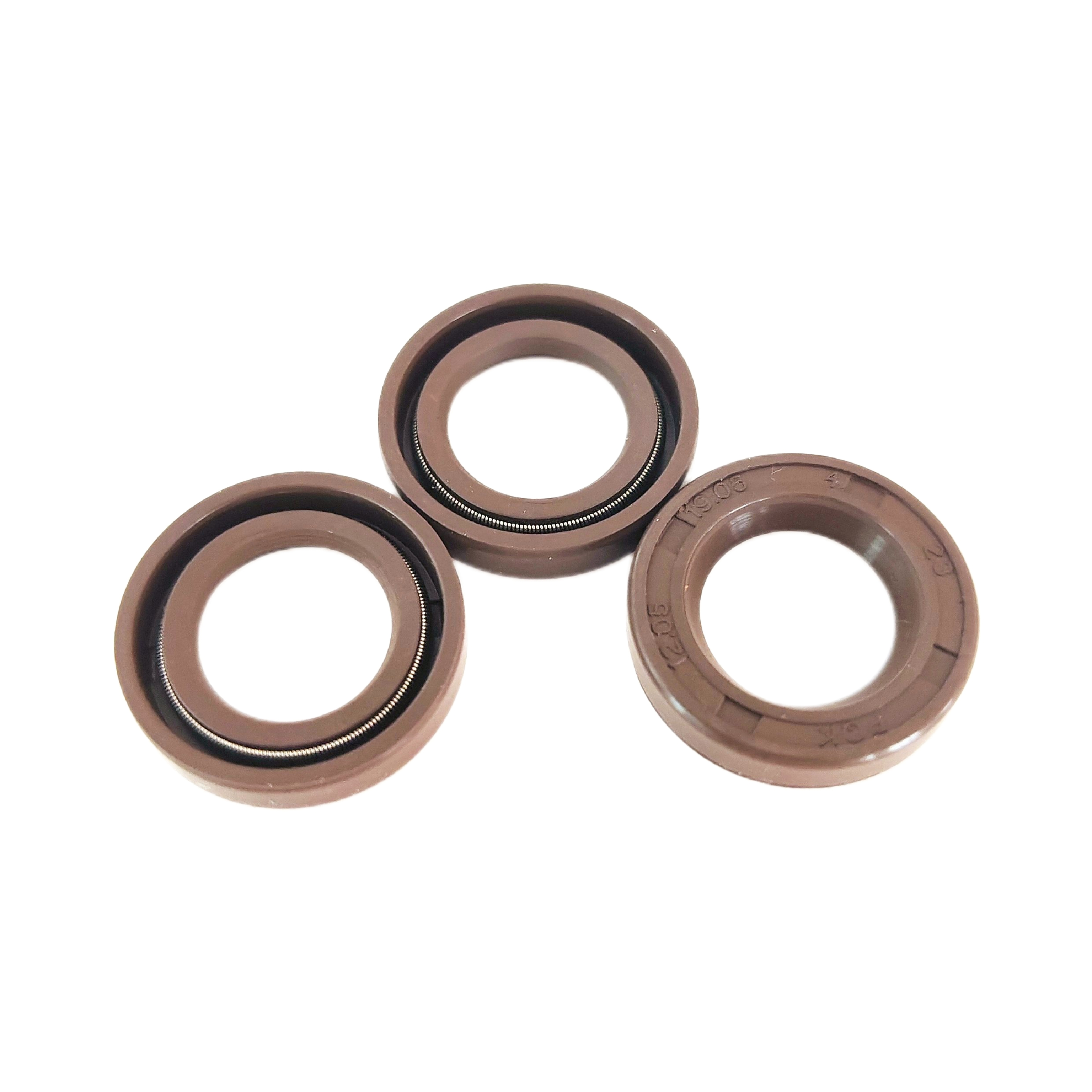
A modern shaft seal is far more than a simple ring of rubber. Its cross-sectional geometry is precisely engineered with multiple features, each serving a distinct purpose. The multi-lip design is a cornerstone of achieving zero-leak performance.
This intricate structure works as a two-stage defense system, sealing lubricant in and keeping contaminants out, ensuring reliable performance in the harshest real-world conditions.
Over time, two factors work against a seal's effectiveness: wear and thermal expansion. As the sealing lip wears down from constant rotation, the contact pressure against the shaft can decrease, creating a potential leak path. Similarly, temperature fluctuations cause the shaft and housing materials to expand and contract, altering the dimensions of the sealing interface.
To counteract these forces, high-performance seals incorporate a garter spring. This circular metal spring is fitted into a groove molded into the seal's outer diameter, directly behind the primary lip. Its function is to provide a constant, uniform radial load on the sealing lip, pressing it firmly against the shaft. This system is self-compensating; as the lip material wears away over thousands of hours, the spring continues to exert the designed amount of force, maintaining a consistent seal. It also adapts to minor shaft imperfections or misalignments, ensuring a reliable seal even when conditions are not perfect. This constant, engineered pressure is what guarantees long-term, dynamic sealing performance.
Even the most advanced design is ineffective if not manufactured to exacting standards. The performance of a sealing lip is determined by tolerances measured in micrometers. The sharpness of the lip edge, the consistency of its angle, and the surface finish are all critical variables.
Leading manufacturers utilize precision molding and CNC trimming technologies to control these features with extreme accuracy. This ensures that every seal produced performs identically to the one before it. Furthermore, this precision simplifies installation. A seal with consistent dimensions and features is less susceptible to damage or improper seating during assembly, a common source of leaks often blamed on the component itself. By eliminating manufacturing defects and reducing the risk of human error during installation, precision engineering provides the final piece of the puzzle for a reliable, leak-free system.
The technical superiority of a zero-leak shaft seal directly translates into significant, measurable benefits for both the equipment owner and the environment. This is where engineering excellence becomes a tool for sustainability.
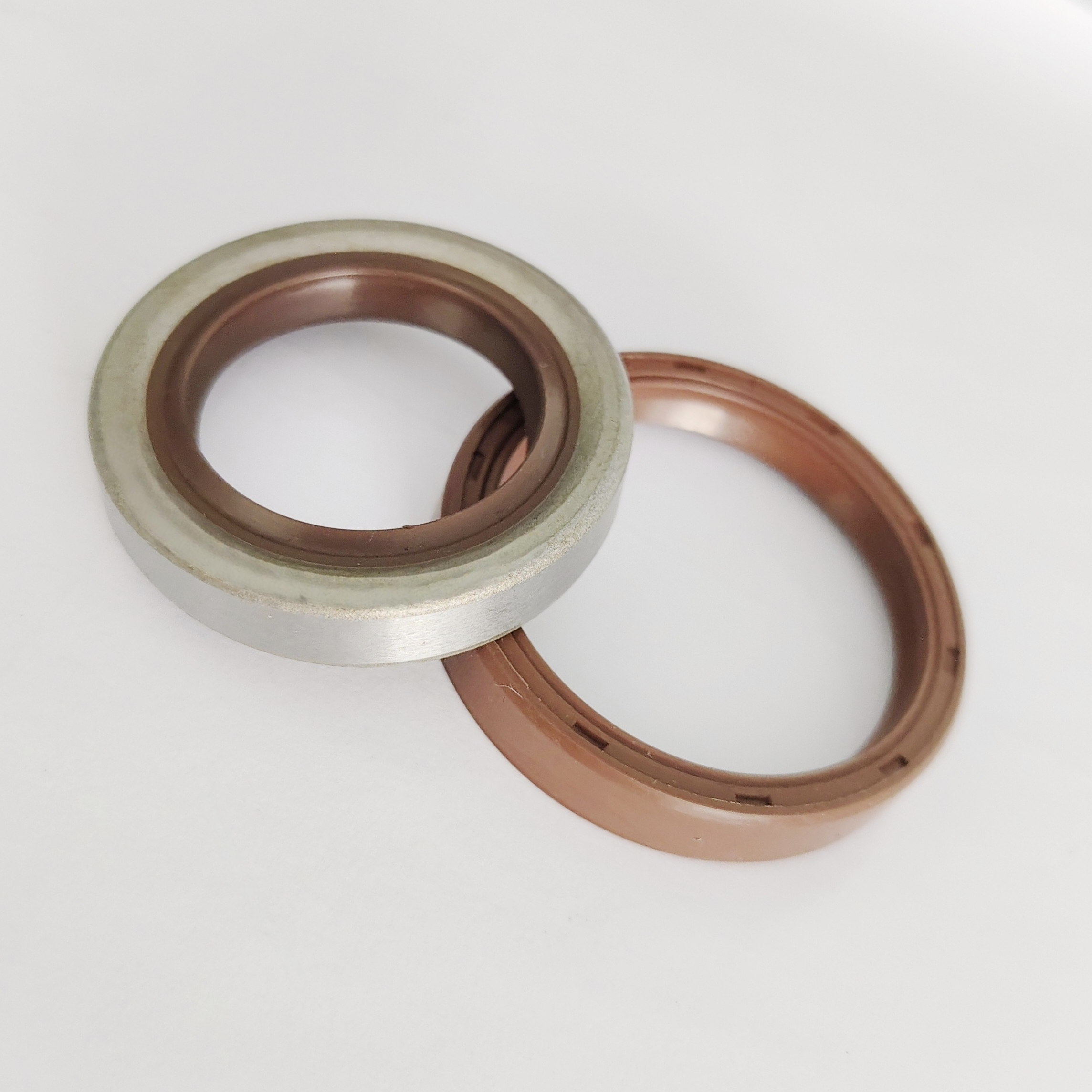
A prominent manufacturer of commercial landscaping equipment faced recurring warranty claims related to engine oil leaks in their line of zero-turn mowers. These machines operate for hours daily in high-temperature, high-dust environments. After switching to a new shaft seal featuring a multi-lip FKM design and a precision-tensioned garter spring, the company tracked performance over a full season. The results were compelling: annual lubricant top-off requirements across their fleet decreased by an average of 20%, and maintenance calls related to oil seepage fell by over 30%. One test unit, operating in the demanding conditions of central Florida, logged over 3,000 hours of operation with no recorded leakage, far exceeding the lifespan of the previous component.
The humble shaft seal is an unsung hero in the world of mechanical engineering. Its performance, or lack thereof, has cascading effects on a machine's reliability, safety, and environmental impact. The shift towards a zero-leak standard is more than a marketing term; it is an engineering imperative. It represents a commitment to building machinery that not only performs its function effectively but does so with minimal impact on the world around it.
This dedication to superior performance—achieved through meticulous material science, intelligent design, and uncompromising manufacturing quality—is what separates a mere component provider from a true engineering partner. When sourcing parts, it is crucial to look for a shaft seal supplier whose focus is on this level of integrated design. Companies like PQK exemplify this philosophy. Their approach is built on a deep understanding of how precision-molded NBR and FKM compounds, combined with multi-lip and spring-loaded architectures, create a system that delivers on the promise of zero-leak. Choosing such a component is not just an equipment upgrade; it is a conscious decision to invest in a more reliable, efficient, and sustainable mechanical world.


